Structural Design Services
Every box, bag, or mailer starts life as a flat piece of board and a set of cut and fold lines called a dieline. Get the dieline right and the finished package folds cleanly, holds its shape under load, and fits your product with the right amount of clearance. Get it wrong and you end up with wasted material, a box that won't close flush, or a production run that has to be scrapped and re-tooled at real cost to your timeline and budget.
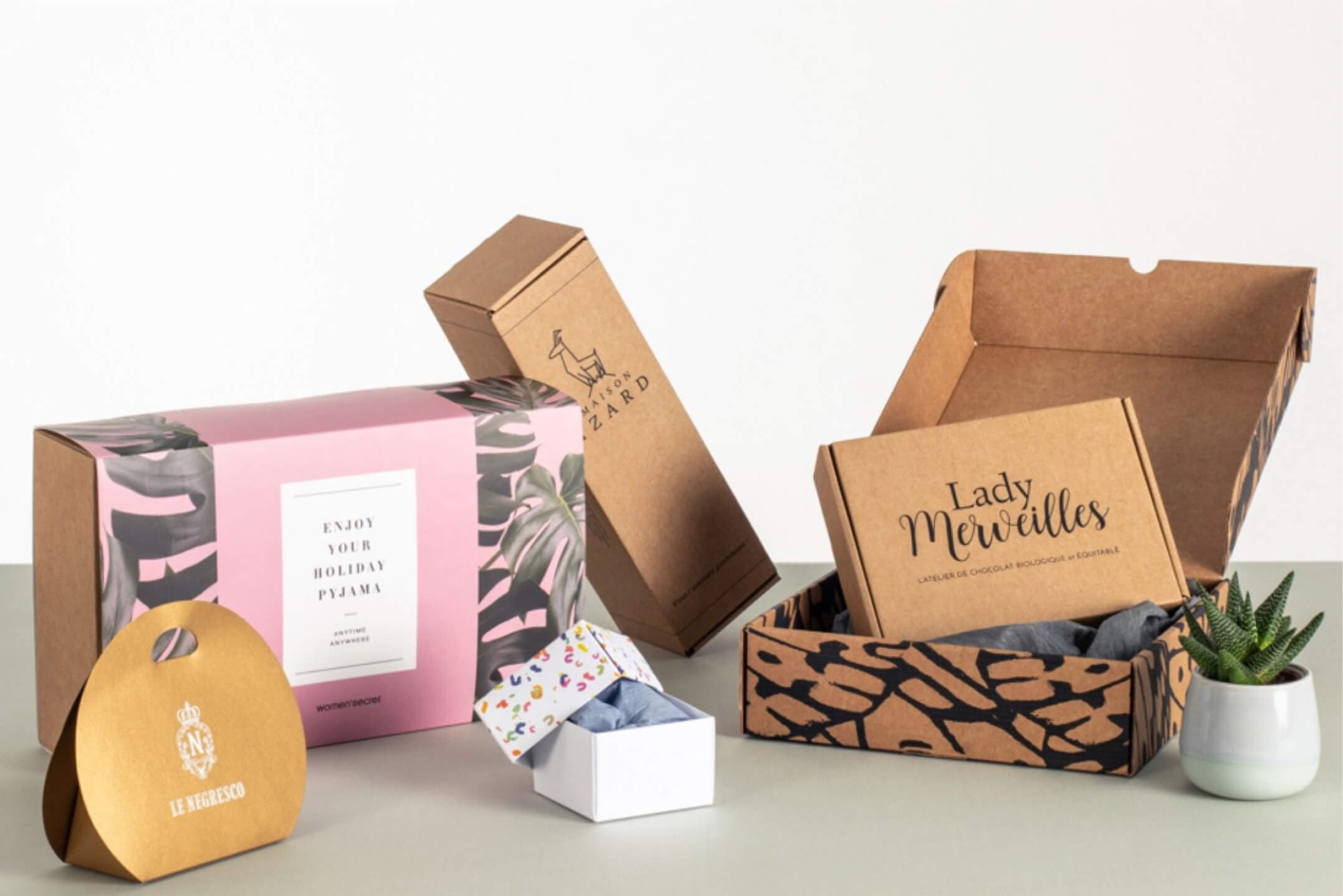
- Mockups
- 2D and 3D as standard
- Physical sample
- On request
- Structural revisions
- Unlimited
- Minimum order
- From ~100 units
Custom Box Center's structural design service is handled by packaging engineers who specialize specifically in dieline development — not general product designers asked to guess at fold geometry, but professionals who think in terms of panel counts, score depth, glue flap placement, and material behavior under stress.
What is structural packaging design?
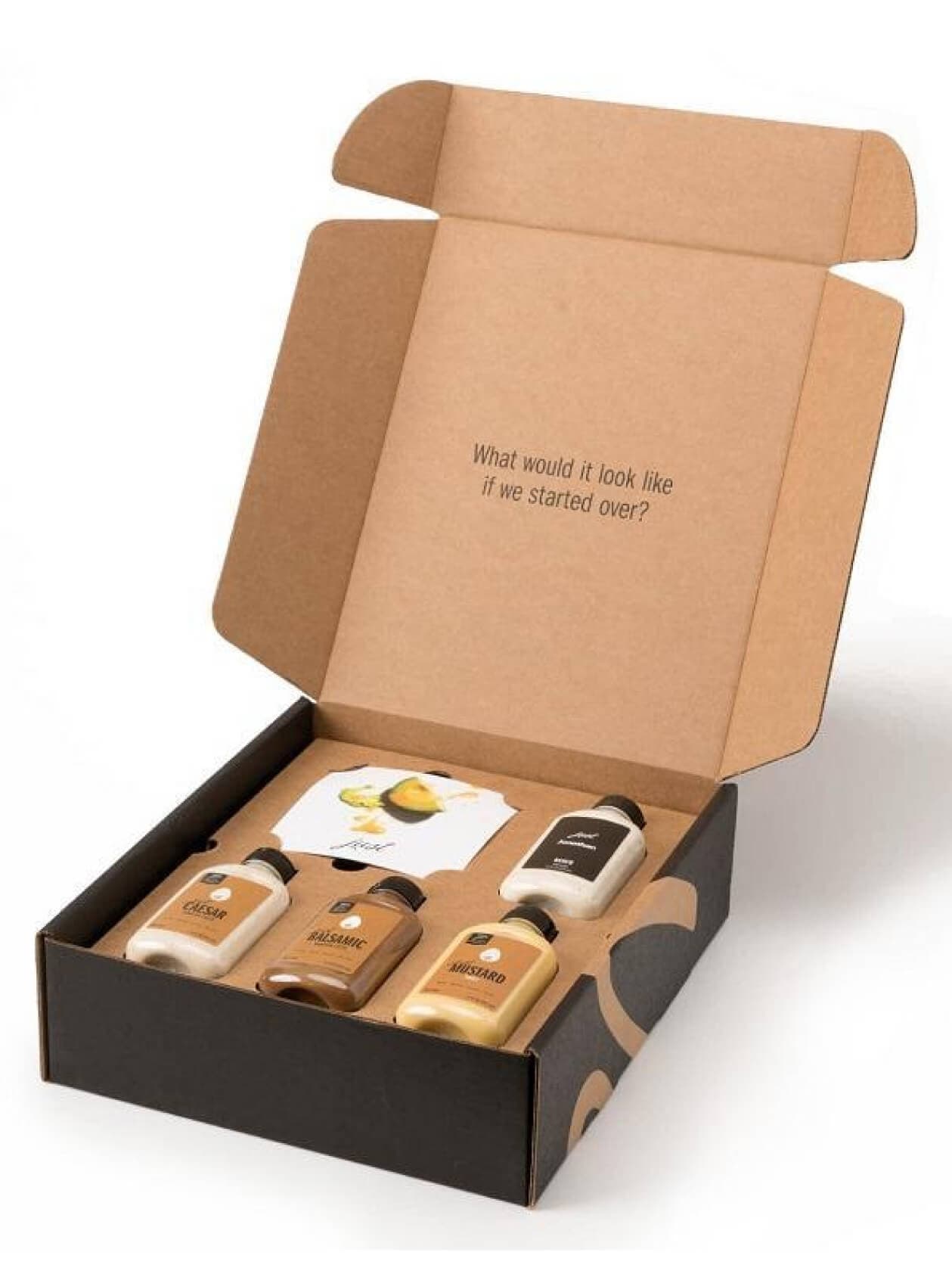
Structural design is the engineering layer of packaging: the discipline that determines how a flat sheet of material becomes a three-dimensional container that protects, presents, and functions the way your product needs it to. It covers everything from a simple straight tuck-end carton to a multi-cavity insert box with a fitted foam cradle, a hexagonal candle box, or a rigid two-piece presentation box with a magnetic closure.
Unlike graphic design, which can often be adjusted after the fact with a reprint, structural mistakes are expensive to fix once tooling is cut. That's why structural design is treated as its own dedicated service, reviewed by our engineering team before any dieline is finalized for production.
The building blocks of a dieline
A production-ready dieline communicates several distinct types of information in a single file, and our structural designers account for all of them on every project:
Cut lines
The outer silhouette the die will physically cut through the board.
Score and fold lines
Creased but uncut lines that define where and how the material folds.
Glue flaps and locking tabs
The panels that hold the assembled structure together, whether through adhesive, a slot-and-tab lock, or a friction-fit tuck.
Bleed and safety margins
The extra print coverage and text clearance that account for real-world cutting tolerance.
Panel dimensions
The precise length, width, and depth of every wall, calculated from your product's actual footprint plus an appropriate loading tolerance.
Common structural design challenges
Clients most often come to structural design with one of three problems:
Layout and Sizing
Inaccurate sizing or spacing throws off the entire structural layout, leading to a box that doesn't fold correctly or doesn't fit the product as intended. We resolve this with precise, product-matched measurements taken before the dieline is ever drafted.
Material Selection
Choosing between kraft, cardboard, corrugated fiberboard, and rigid chipboard affects durability, print quality, and finished cost all at once. Our team recommends the right substrate based on your product's weight, fragility, and the finish you're targeting, not a default assumption.
Fit and Assembly Accuracy
A dieline has to satisfy two audiences at once: your product, which needs to fit securely, and your printer, whose equipment will physically cut and fold the file. Our engineers draft with both in mind so the design runs smoothly from proof to production without last-minute rework.
Our structural design process
Structural projects move through a defined sequence designed to catch problems before they reach production:
Brief and product measurement
we collect your product's exact dimensions, weight, and any fragility considerations.
Dieline draft
our engineers develop an initial structural layout matched to your product and chosen style.
2D proof
a flat, to-scale rendering of the dieline for your review.
3D mockup
a digital rendering showing how the assembled structure will actually look and function.
Physical sample
on request, a real, folded sample built from your specified material for hands-on evaluation.
Production file finalization
the approved dieline is prepared in print-ready format for manufacturing.
Materials & structural factors we engineer around
Every dieline is developed with a specific set of physical variables in mind: board caliper and flute grade for the strength your product requires, closure mechanism (tuck, lock, magnetic, adhesive) suited to how the package will be opened and reused, and interior support — dividers, trays, or foam inserts — where your product needs cushioning or organization beyond what the outer shell alone provides. Getting these decisions right at the structural stage is also what keeps material waste and unit cost under control, since an oversized or overengineered structure adds cost with no functional benefit.
Why choose Custom Box Center for structural design
Our structural design team works from the same production floor that manufactures your packaging, which means every dieline is developed with direct knowledge of what our equipment can cut, score, and fold accurately. We offer both 2D and 3D mockups as standard, accept low minimum order quantities so you can validate a structure before committing to a full run, and provide unlimited structural revisions until the design is right.
Frequently asked questions
The rest of what we do
- Design SupportFree structural and graphic design help to get your packaging production-ready.
- Graphic DesignPrint-ready artwork, brand systems and unboxing visuals.
- Bulk & WholesaleVolume pricing and reliable supply for high-throughput brands.
- Prototyping & SamplingPhysical samples and pre-production prototypes before you commit.
- ConsultationExpert guidance on materials, compliance and cost optimization.
- Custom QuotesFast, transparent quotes tailored to your specs and volume.
Begin your structural design project
If your packaging needs precise engineering to fit your product and survive the supply chain, our structural design team is ready to help. Contact us to start your dieline development with a team that designs specifically for what can actually be manufactured.
Mon–Fri, 8am–7pm EST · info@customboxcenter.com
Transform Your Product Packaging Experience With Custom Box Center
- Industry experience
- 5+ Years
- Brands worked with
- 1130+
- Customer satisfaction
- 100%
- Boxes produced
- 6M+
Industry experience
Brands worked with
Customer satisfaction
Boxes produced
- Access to over 70+ innovative ideas for packaging boxes
- Personalized boxes in different designs, styles and materials
- Lightweight and durable packaging boxes for secure shipping
- Reliable and high-quality product packaging boxes
- Budget-friendly deals for custom product boxes